

What to Do When Your Heating System Fails: Fast and Reliable SolutionsWhat to Do When Your Heating System Fails: Fast and Reliable Solutions
There’s never a convenient time for your heating system to fail. Whether it’s the middle of the night or during a cold snap, losing heat can quickly turn from uncomfortable to stressful. Beyond the chill, there’s also the worry about frozen pipes, property damage, and the cost of emergency repairs. The good news is that a heating failure doesn’t have to mean chaos. With the right steps and a clear plan, you can stay safe, protect your property, and get reliable heat restored as quickly as possible.
Check the Basics Before You Panic
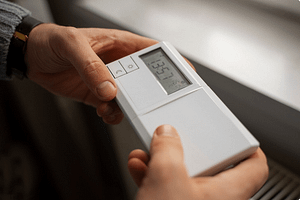 Before assuming the worst, take a few minutes to rule out simple issues. Start by checking your thermostat to make sure it’s set to “heat” and that the temperature is higher than the current room reading. Dead batteries in a thermostat can sometimes mimic a system failure. Next, inspect your circuit breaker to see if a switch has tripped. If you use gas heating, confirm that the gas supply is on and that no valves have been accidentally closed. Air filters are another common culprit. A clogged filter can restrict airflow and cause the system to shut down as a safety measure. Replacing a dirty filter might be all it takes to get warm air flowing again. These small checks can save time, money, and unnecessary stress.
Arrange Temporary Heating Solutions Quickly
If your heating system truly isn’t working, your next priority is keeping the space warm and safe. Portable electric heaters can provide short-term relief in smaller areas, but they must be used carefully and kept away from flammable materials. For larger buildings, commercial properties, or situations where repairs may take time, arranging a temporary heating solution becomes essential. In many cases, a mobile Heizstation Heizblitz can provide immediate, high-capacity warmth for residential buildings, offices, or construction sites while permanent systems are repaired. These units are designed to connect efficiently to existing infrastructure, offering dependable heat without lengthy installation times. Acting quickly to secure temporary heating can prevent secondary damage and maintain comfortable conditions.
Protect Your Home From Secondary Damage
When indoor temperatures drop significantly, the risk of frozen and burst pipes increases. To reduce this risk, let faucets drip slightly to keep water moving through the pipes. Open cabinet doors under sinks to allow warmer air to circulate plumbing. If you suspect temperatures will fall below freezing for an extended period, consider shutting off the main water supply and draining the system. Sealing drafts around windows and doors can also help retain whatever warmth remains inside. Use towels or draft stoppers along door gaps and close curtains to add an extra layer of insulation. Even small measures can make a noticeable difference in preserving heat.
Call a Professional Technician Promptly

While DIY troubleshooting can address minor issues, more complex problems require professional attention. Strange noises, burning smells, repeated cycling on and off, or a complete system shutdown are all signs that it’s time to contact a licensed technician. Attempting to repair internal components without proper training can be dangerous and may void warranties. A qualified heating specialist can diagnose the root cause, whether it’s a faulty ignition system, damaged heat exchanger, or malfunctioning blower motor. Fast, accurate repairs not only restore comfort but also prevent small issues from turning into major system failures.
Communicate With Occupants or Tenants
If you manage a property or commercial building, clear communication is critical during a heating outage. Inform occupants about the issue, explain the steps being taken to resolve it, and provide realistic timelines. Transparency helps reduce frustration and reassures everyone that the situation is under control. Offering guidance on temporary safety measures, such as safe heater use or conserving warmth in individual units, can further support tenants or employees. Proactive communication strengthens trust and demonstrates responsible management during unexpected disruptions.
Consider Long-Term Prevention Strategies
 Once your heating system is back up and running, it’s worth thinking about prevention. Regular maintenance is one of the most effective ways to avoid future breakdowns. Annual inspections allow technicians to identify worn components, clean critical parts, and ensure the system operates …